We buy media against demographics like age, income and education. And target our creative at that target. We are consistent and correct – right?
Let’s check by starting with how well people perceive themselves.
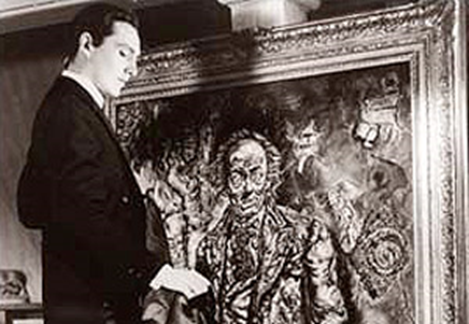
Take you for example. (Pull out a mirror or look at the graphic to the left.)
Do you always “act your age?” Do you spend according to your income? Do you behave like others with similar education? Are you typical?
Particularly regarding age, few of us see ourselves as who we actually are. Mostly, we don’t even know how we are supposed to behave at any age. Our perception seems to be out of kilter with the chronology.
Our theory about age is that most people believe that they are about half their age plus about 12 years. That is, if you are 50, you think, act and behave like you are 37. Or if you are 24… well you act like you are 24. The same is true if you are ten, you think you are 17. While in both cases you are not, that doesn’t stop you from identifying that way.
We are all like Dorian Gray, the Oscar Wilde character whose portrait aged while he did not. The image in the mirror ages; in our minds we only age slightly.
Our bodies age – while we fail to recognize or agree with the changes completely. We lag. Perhaps in hope or perhaps we are slow learners, but we lag.
The importance of this to advertising is clear.
While we might buy media against reality, we should direct our messages to who people think they are to make them more relevant to the target.
Too many messages directed against 50+, for example, show sedentary grandparents in their 80s. The 60 year olds think and act like they are in their mid 30s. They are mountain climbing, SCUBA diving, hang gliding, and riding their bikes across France. They would not connect or empathize with a message showing them looking like they are in the waiting room for the Grim Reaper. They don’t aspire to that. Advertising should aim at what people aspire to be.
The same is true for tweens who think they are already adults. The 14-year-old thinks they are 19, so talk to them accordingly. We are all in a rush to get to 24 years old and then slow to want to leave it.
The same is true when showing economic strata. Aim for what the target market aspires to be; not what they are.
We are all excellent at self deception so creative messages must embrace that self-deception and go with the flow.
Many products have become successful by providing an imaginary lustre to those who buy it. People buy them to feel like they think they should be, rather than who they are.
Take a brand like Crown Royal Whisky. It is perceived as a super premium but has had excellent sales among the lower and lower-middle classes. The brand never admits this because its consumers want to think of themselves as being able to afford the best. I recall having a long conversation with a Brand Manager on Crown Royal many years ago and starting by believing the product did well amongst the economic elite. He corrected me.
Our strength at self deception is something savvy marketers work with and prosper from. Don’t take reality seriously if you want to get ahead.
“We are what we pretend to be, so we must be careful about what we pretend to be.” – Kurt Vonnegut