One of the most important parts of effective communication is completing the Feedback Loop from the creation of the advertising all the way to the customer. If you read, Overcome AD-versity, you learned what goes into creation of the right message. After all that effort, you want to make sure the message doesn’t get garbled.
There are steps to take after defining that message to ensure complete delivery or you may be get the result of the old child’s game of broken telephone with the message being perverted. That means all the people and stages along the way need to know what they should be saying and are in harmony.
Make sure your entire organization operates consistently with the message that you are sending to buyers. While you might tightly target the external audience; you need to flood the zone for internal staff.
All departments in your organization should know what the message is and why it is being sent. If not, it is like going to war without letting your military, your allies or your other stakeholders know what’s going on. Branding has a lot to do with consistency.
In most marketing organizations, the Marketing Department is responsible for the creation of the advertising. The interaction with customers, however, is done by the Sales Department, retail staff or customer service. It becomes imperative that Marketing makes sure that everyone knows the message and can reinforce it with the customers, or retailers who are the intermediaries between the company and the end users.
You want to make sure that the entire army is marching toward the same goal and singing the same song to achieve optimal results.
It is only occasionally that the advertising agency gets called upon to participate in that briefing. A prominent campaign where I was involved with briefing the Sales team was with the launch of Pampers for Procter & Gamble in Venezuela.
Our job was to both launch the product and explain the advertising message. It was an all day event with the Sales and Promotion teams coming in from all around the country. Because there were so many elements to explain in order to brief the team, portions of the presentation were assigned to various team members, including me.
My “dog and pony show” included explaining the strategy behind the communications, showing commercials from various countries around the world (Germany and Japan were highlighted) that already marketed Pampers, explain the media plan and finally show the advertising that we were planning to run. What made the presentation challenging to me was that I had to do my entire presentation in Spanish.
Back in the day before the internet, we also prepared printed material to distribute to the sales force. All to keep everyone aligned with the core strategic message.
One launch we did for Robin Hood Multifoods, there were three new baking industry products to launch at once. We had created the product names and logos, so we were well invested in their success.
We created a fun introductory video for the sales force launch meeting centred around the three product “hat trick” and used RHM Marketing staff playing hockey to reinforce that there were three products and show highlights of each with lots of bad hockey related references and jokes.
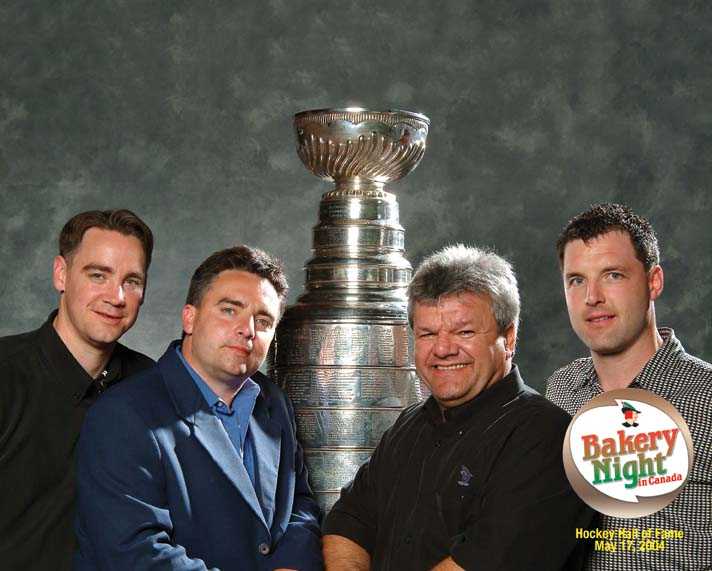
Then we hired NHL star and Hockey Hall of Fame player, Marcel Dionne, to speak at the sales meeting and we staged the meeting in the Hockey Hall of Fame. The Sales Force all got souvenir photos of themselves with the real Stanley Cup and Marcel. It framed the message in a winning environment. It was a unique, lifetime experience for most of them. As a team, they were motivated!
We supported that message through a quarterly newsletter that we had designed and published for all their customers, the thousands of commercial bakers across the country. This got the customers prepared.
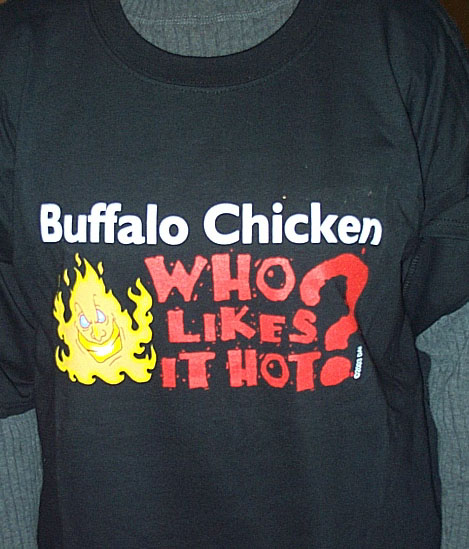
Those kinds of inspirational team meetings and newsletters are common with fast food teams. Fast food meetings are timed to promotional windows which might feature a product change, a promotion, or just a message change. Often there were also POS changes to be made in store, and giving T-shirts to staff meant staff and customer support. For Subway, we held meetings about every six weeks and issued a newsletter with advertising information as well as sales tips.
It makes sense to insure that the front line staff understood what customers coming in would be asking for and expecting. Everyone has to be reading from the same script to make sure your message holds together. In sports, all the players need to coordinate their actions or they will be running off in all directions and won’t succeed. In a choir, all have to sing in the same key, and in harmony.
While it is easy enough to email or post on-line with support information and messaging, live interaction has the greatest impact for most people. It is also the most expensive.
Getting the sales message out to the team that directly interacts with the target of your advertising makes sure that the message is consistent across all media, including the word of mouth from the sales team. With a solid message, you have credibility. Without it, you have cacophony and your brand does not hold together. Trust is broken.
Sending a team out to win without knowing their clear goal is a recipe for disaster. Nothing will be achieved and morale will be decimated. Complete the communication all the way through your organization to keep the message consistent and intact.
If you liked this, read more at Calexis.com