Back in my university days in Vancouver, I was responsible for putting on Performing Arts shows in our Student Union Building (SUB). There were musicians, poets, even a hypnotist, b ut mostly music.
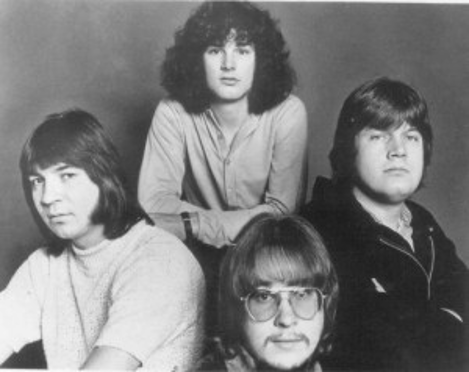
A band from Winnipeg was in Vancouver and struggling in early 1969. They were recording but needed some money; so we decided to present them within a week or so for a noon hour “sock hop” in the SUB ballroom, capacity 1000.
The pay we offered was “Union Scale,” as I recall it, $106 for the group. They tried to negotiate for a percentage of the gate; but since we were charging 25¢ admission, they understood they were better off getting union scale. That worked out to about $25 per person for each band member for their hour or so set.
These guys had just released a single called “Lightfoot” about going to a Gordon Lightfoot concert. It was going no where. I liked it – having presented Lightfoot recently, but few enough others did.
Then some DJ flipped the record over and started playing the other side, which was called “These Eyes.” It was quickly a massive hit. Their value shifted; skyrocketed. They still felt they had to do the concert because we had a commitment and the full impact of These Eyes hadn’t fully hit. Credit them for honouring our deal. We pretty much sold out the noon hour concert.
Within a few weeks, they were playing on network TV in the US and getting thousands of dollars for concerts. Maybe tens of thousands.
They did nothing different from their $106 gig. Their labour was the same; they played essentially the same songs, but now they were worth 100 times more. It is an interesting economic conundrum how value can change so rapidly, It is more about the changes in the audience than any changes in the product. Sometimes demand changes based on some social dynamic. In his case value went dramatically up.
The same question arises for the increase in value for a back catalog of music when some pop star dies. Or to an author or actor when a book or movie becomes a huge hit.
How does economic theory handle the change? Economists tell me that the gain of one entity simply means demand or value has shifted from one thing to another and there is no increase of wealth overall. But in the micro sense, there is a serious shift in wealth to the individuals.
This happens when a brand becomes much more well known and respected. The value of its products increases as social acceptance increases.
There can be an immense impact that the psychological force can have on economic demand and value. If a marketer can shift preferences, even a little, it can have a dramatic impact on product or company value. That can be the leverage of communications. A little money in marketing can add a whole lot to a brand and that is equity for the owner of that brand.
It gives one pause to think what an hour of one’s time is really worth. Sometimes it isn’t worth much; but don’t sell yourself short on what it could be worth. If you can convince enough people of your value, it might be worth a lot. You just need that one hit to elevate your value.
If you liked this, read more at Calexis.com